
Cindy Miller

Cindy is an Independent Game Developer currently working on a social change game called We Are Chicago. We Are Chicago is a narrative-driven experience with a focus on telling real-life stories about growing up on the South Side of Chicago through a video game. She has worked in game development for the last six years, four of which were at Disney Interactive Studios. She has worked on games for PC/OSX/PS3/Xbox360/iOS/Android/Wii/WiiU, most notably Disney Infinity. Cindy is one of the founders of Voxelles, a Chicago-based group for women in game development.

CINDY MILLER 
Independent Game Developer

COMPANY
Culture Shock Games

EDUCATION 
Columbia College Chicago: Bachelor of Arts in Game Design

WEBSITES
www.CynthiaLM.com

When did you first start playing games?

I first started playing games because of my dad. I was around six or seven. My dad was really into Sierra adventure games, Warcraft, Myst, Sims games like Sim Farm and Sim Ant… He was an electrical engineer, so he was pretty nerdy. I remember sitting on his lap when I was a kid and “helping” him play. I have two older siblings and one younger sibling, and we would all play games. We got the first Nintendo and we just played the heck out of that thing. My family always had a family night, so every family night, we would play card or board games. So, I started playing games really early.

One of my previous interviewees, Elise Motzny, had almost the same story! She would sit in her dad’s lap and help him play Wolfenstein 3D

My dad would not let us watch Wolfenstein. I think he played it, but he wouldn’t let us watch it.  The rest of my family is Mormon, so they did not think that kind of violence was okay – which I kind of agree with at that age. He had a policy that we couldn’t beat it before him. So he wouldn’t let us play games until he finished them.

What made you want to start making games?

“That’s what I’ve always wanted to do with games – make people feel things through a medium – like what people do through movies, music, and literature.”

Probably when I got my Super Nintendo for Christmas. I was super excited for it, because I got it when it came out with Donkey Kong Country 2 bundled, and I was like, “OH MY GOSH, this is the BEST.What I really liked was that my parents gave it to ME, and not my brother or my sister, it was MY console.
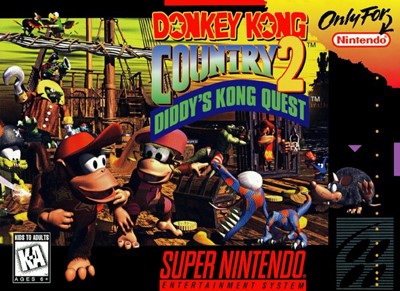
Donkey Kong Country 2 cover art

Donkey Kong Country 2 cover art

I really wanted to make games at that point, but… I kind of assumed that I couldn’t. I was interested in art, and I really liked playing games, and I liked computers, but… I didn’t think it was a valid path. Which, looking back on, I really don’t know why … I guess society told me that video games were a “guy’s thing” still. I mean, this was like 20 years ago.

Another thing that made me really want to make video games is that I was/am very into music, movies, and reading. I loved how it all made me feel. There was music that I could listen to that would inspire me to feel something different. I feel like video games are a WAY better way to do that. With We Are Chicago, our company is taking an experience and putting it into a game, and then people can live that experience. That’s what I’ve always wanted to do with games – make people feel things through a medium – kind of like what people do through movies, music, and literature. I really believe that games can help human beings empathize with each other, and make this world a better place.

“I really wanted to make games at that point, but… I kind of assumed that I couldn’t. […] I didn’t think it was a valid path. […] I guess society told me that video games were a ‘guy’s thing’ still.”

Did you feel like it wasn’t a real profession? Or that it was more of a hobby and you shouldn’t try to make money doing it?

Hm, no, I never really felt like that. I was like, “Oh, people are selling games, so of course it’s a real, professional industry.” That’s what some people do when they grow up, but I didn’t think about being able to do that when I grew up.

I was in college and taking Graphic Design classes because I knew I wanted to do something creative, but I was really unhappy. I was speaking to my older sister about it, and she said “Why don’t you just make video games, since you like them so much?” And I was like… “Oh! Why DON’T I do that?”

Do you think more schools should offer video game design as a degree?

I’m kind of torn. Design is really hard to teach. A lot of it is experience, hands-on. You have to watch how people play, and have an idea of how your target audience plays; what they want to do, and how they act. Some of the best designers have years of experience. So at that point, can you really teach years of experience? Hmmmm.

Whether more colleges should do game curriculums in general…? I don’t know, because it seems like the ones that we already have are… pretty loose.  They’re not very good curriculums. I’ve heard of people coming out of some of the ones in Chicago totally unprepared for the real-world industry. I think in the long run, yes, more colleges and universities should offer a degree. BUT… I think people really need to shape up what the curriculum is.

“I think the games industry needs to grow up.”

What’s a game you recently played that inspired you in some way?

Dishonored, by Arkane Studios. I’m still pretty in love with that game. I really enjoyed the gameplay, the choices, the story, the environments, and I always liked the level design. They did a really good job doing environmental storytelling, and making the world believable. I felt like it inspired me to think about the story, the world, and the characters differently.

In Dishonored, you have to make choices that impact the characters and the story. These interactive moral decisions differentiate the experience from traditionally linear stories. While assassinating targets is the simple way to accomplish the mission, it is far more difficult to non-violently neutralize the targets. The fact that the game contains both good and bad options, even if one promotes violence, makes choosing to be good more meaningful.

It was a smaller studio, owned by Zenimax now. They weren’t a company that had previously made any huge hits, so I thought it was cool that they worked on this thing and it was really good. It’s really inspiring to me that, like, you don’t have to be a Call of Duty franchise to make a good game that sells well.
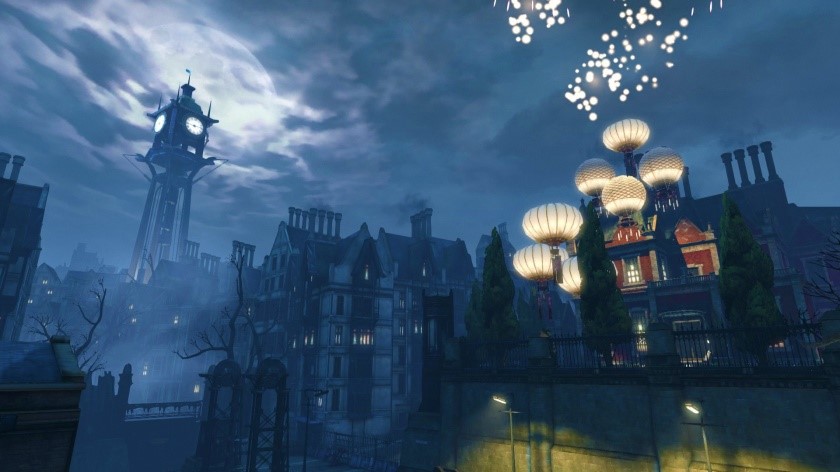
Dishonored screenshot

How did you find this game?

I think someone at Wideload suggested it. Then [my fiancé] Michael and I started playing it.

I know there’s a lot of violence in it, and sexism, and I wanted to touch on that real quick. I didn’t really encounter some of the sexism as I was playing through this game the first time, because you can choose to be “good” while you play and use stealth instead of deadly force. At some point you go to “The Golden Cat,” which is a prostitution house in this world. But I got in through a window, climbed up, went to the employee staircase, found who I needed to find, and then got out. I didn’t see a lot of the stuff that was going on in there.

Flier for "The Golden Cat" establishment in Dishonored

Flier for “The Golden Cat” establishment in Dishonored

Then I played through it again on a different mode. I wanted to get all the achievements. I went through, and I was like “OOOH, ooh there’s all THIS stuff going on.” It was mentioned in some of the Feminist Frequency videos. They call out Dishonored as a game where you can kill the women and throw their bodies into pools and down staircases. I mean, it’s a stealth game, so you’re supposed to take the bodies and hide them. You can do that with anybody’s body, though. So Dishonored is just inherently violent.

That was really the only disappointing bit about Dishonored for me. It reused the trope of a typical female victim that gave you a reason to play the game, but didn’t address that trope in a critical way. Going back, I really wish they had a way to mod the game. I would have really loved to gender-swap the genders of the main characters. Because, you’re a male protagonist, trying to save a young empress that you have an attachment to, whose mother you weren’t able to save and was killed in front of you. How different would it feel to be able to make the empress an emperor? What would it be like if you were a woman who’s taking charge of her life and setting out to prove she’s innocent? I think that would be really cool.

I’m not really against violent games, I’m against gratuitous violence. And it didn’t seem that gratuitous when I was playing through it. Since I usually play “good,” it meant I was usually sneaking around and not killing people in gruesome ways. You can get pretty involved in the different ways you kill people, but I never really went there with that. So the question is: should we not like the game because it has that option for violence? I think that’s kind of a gray area of video games, especially with the violence in video games debate still going on.

“It’s really inspiring to me that you don’t have to be a Call of Duty franchise to make a good game that sells well.”

Is there any game you’ve worked on recently that you’d be excited to talk about?

We Are Chicago!  It’s a documentary-style interactive experience for the PC that places you in the average life of a teenager living in the most dangerous neighborhoods in Chicago. Based on real people and their true stories, you witness and respond to the hardships and accomplishments that really happen in places like Englewood.

We Are Chicago game

Beyond the game itself, we plan to use the game’s exposure to raise awareness, and a portion of the proceeds to help support non-profit groups with a mission to curb violence, and provide positive and creative opportunities to people living on Chicago’s South and West sides.

What is the one most important aspect of a game that you feel elevates the good games above the rest?

This goes back to what I was saying about feeling inspired by Dishonored and wanting to get into games.  If a game can inspire someone to do something different in their life for the better, then it’s a good game. And it can be all individual; people resonate with different stories and presentations.

I feel like games aren’t just meant for the majority. Games as a medium are meant for people who enjoy that specific game. You can’t say, “Here’s a book. You loved it, that person hated it. It must be a bad book.” I think games need to give a little more allowance for that. I think the games industry needs to grow up. The gamers need to figure out that just because ten people gave it a 10 doesn’t mean it’s the Best Game Ever.

Anyway, I’m not expecting such a level of inspiration from games that you drop what you’re doing and go volunteer for a non-profit. There are some people that get really into games because they’re competitive, and they’re inspired to go and beat their high score, or to work on something that they find valuable, which is playing the game to perfection, and that’s good too.

What sort of games do you think there are not enough of? (What direction do you want to see the industry take?)

I think the industry just needs to expand. Right now it’s a very narrow field of typical… white male straight gamers. So I feel like the more “not that” we can get involved will make different kinds of games. That being said, there are also white male straight people who have some really interesting ideas about games, and they shouldn’t NOT make games because of that. I hesitate to say that we have too much of any game already. There’s always a chance that you could take Call of Duty and change it in a way that makes it unique. Why should we say that we have enough first person shooters? You don’t KNOW that there’s nothing else you can do with first person shooters and everything’s been done. It’s kind of hard for me to say that we should stop making them. So I guess my easier answer to that is that we need more of every game. We need more of everything we haven’t thought of yet.

Even though there’s already so many games in existence that we’ll ever have time to play them in our lifetimes?

Yeah, because there’s too many books to ever read in a lifetime. That doesn’t stop people from reading books. There are giant libraries full of books that we’ll never be able to read through. You could probably take all of the Wikipedia pages and not be able to read through them in your lifetime at this point. I don’t like to say that’s a bad thing. However, I am concerned about how people can FIND games. As a game creator, I think there have to be better ways than what we have right now… but better minds than mine are probably working on that.

How would you involve women with the gaming community, who otherwise might not become involved on their own?

  • Have welcoming game communities that are open to minorities & women.
  • Make communities that are safe, like the Voxelles.
  • Find women and encourage them to make games, and do game jams.

A lot of game jams have been hosted at specific places like DePaul, Columbia College, or at game studios, and that’s really intimidating for people who never went to those schools. It’s also intimidating to walk into a foreign environment and see that the crowd is all guys.

I think it’s a bit of a Catch 22 – if you have women that go, and they don’t see other women, then they’re less likely to go again. If you don’t have them going again, then no other girls are going to see them there in order to stay. I’ve heard some girls talk about indie community meetings, and how the attendance is mostly guys. And the girls will say, “It’s not really our scene.”

What can big companies like Microsoft do to bring more women into gaming?

  1. Hiring more women into the gaming divisions would probably be the first step.
  2. Hiring more women into management positions within those divisions would be the next step. (It’s fine to have a lot of women at entry level, but there are mid- and high-level women out there looking for jobs.)
  3. The next important bit would be keeping them there. You can hire women all you want, but if you can’t get them to stick around, it’s not going to help at all.
  4. Having your workplace reflect values of equality is crucial. Make sure there’s equal pay between men and women and equal rights for all genders.
  5. Provide support for harassment. Make sure there’s a zero-tolerance policy. 
  6. Sponsor gaming groups, and women groups, and women in gaming groups. Stuff like that would help, since big companies have the income where they can donate time, expertise, equipment, and people to help promote these values in the gaming world.

I’ve heard stories about bad places for women to work on games. I’ve personally been told that I was the reason the studio stopped being a guy’s club. You hear about other studios that send around porn in email as jokes, and stuff like that. THAT does not make the workplace 1) professional, and 2) inviting to women who might not agree with said content of emails. You need to have the workplace culture be welcoming. When anyone walks into a new place of work, no coworker should ever greet them by saying, “Aw, man! You got hired! Now we have to actually be professional at work.” That doesn’t really seem fair.

What can I do locally to bring more women into gaming?

Join any local women’s groups that are available. If you find no groups, then find like-minded people and start one. People can blog, game stream, tweet about games, critique games, do podcasts, anything that’s public and/or educational. That will draw people to your love of games. There are some really good women who play games and stream it, and we should get more of them! So I think that sort of public-facing broadcast of the fact that there are women who play games, talk about games, do stuff with games, is good in general. If you want to do Podcasts, then do some sort of game podcast. Bring on other women. Skype-podcast people, and stuff like that. I think there are options. Doing public stuff that will help other people know that there are women out there doing stuff is good. Also, make games. *laughs*

Have you started a podcast?

I have not ever started one. I know there are a bunch of people here in the office who have, and people who have guest-starred on podcasts, so there’s a community out there.

How do you think people with diverse backgrounds impact the game development community?

I think they make it a better place. I think the more diverse people we have, the better off the industry will be. I don’t think we’ll ever reach a point where we have enough diversity. (Unless everybody in the world is making a game.) I think that games are made based on a person’s history, experiences, and thoughts. That person has an idea of what a game should be. If you get more variations in that set of people, you’re going to get way more games. To me, that’s better.

The best thing is to have as many people in the games industry as possible, to make it more diverse. That means the industry will get a lot more competitive, but I think that’s something they have to sort out. More games are better. More people are better.

Do you have anything else to add on this topic?

With We Are Chicago, we’re telling a story about people who live on the South Side of Chicago. But what would have been the best is people from the South Side of Chicago making the game entirely themselves. Because, in the ideal world, they could. We have hired a lot of talent for the game from the South Side, there are some very talented people living here in Chicago.

There is a barrier to making games. A lot of times, that barrier is: Do you have a computer? Do you have an internet connection? A lot of people don’t have a computer still. It’s not okay that people don’t have computers; it’s not okay that people don’t have internet.

Poverty is a barrier. If they have to travel to a library to use a computer, that doesn’t mean you can work on a game at the library. Chicago is not a poor city. There are millionaires in Chicago. So why do we have such inequality within the city borders?

There are a lot of programs going on geared toward getting more minorities involved in media and technology, like 3G Summit that had younger women brought into Columbia College to make games, design them, and talk about them. But there’s not a lot of people on the South Side of Chicago that would identify as… game developers. So, we need to bring more people in to be like, “Yes, you can make games.” People might not be interested because they don’t know about the opportunities out there.

WeAreChicago3

We Are Chicago screenshot.

Where did you go during your research and interviews with people?

We went down to the Englewood-area Red Line stop, and had casual interviews. We also met at [coffee shops] and other places to interview people.

What do you want women considering a career in tech to know?

It’s worth it. If you are passionate about it, then it’s completely something you should pursue. If someone is telling you, “You shouldn’t do this,” or “You can’t do that,” they’re wrong. Once you get into the field, it’s going to be difficult. There are issues right now. But lots of people are trying to change it, so if you ever need help with any of that, there are people that you can reach out to. Other women in tech totally understand this and will totally help. (Hopefully.) You might have to deal with crap from people, but don’t feel bad, and don’t ever feel like it’s your fault. There’s no reason why you can’t pursue ANY sort of career in tech that you want.
You have every right to pursue your dreams just as much as other people have that right. Don’t ever let anyone make you feel like you’re in the wrong place.

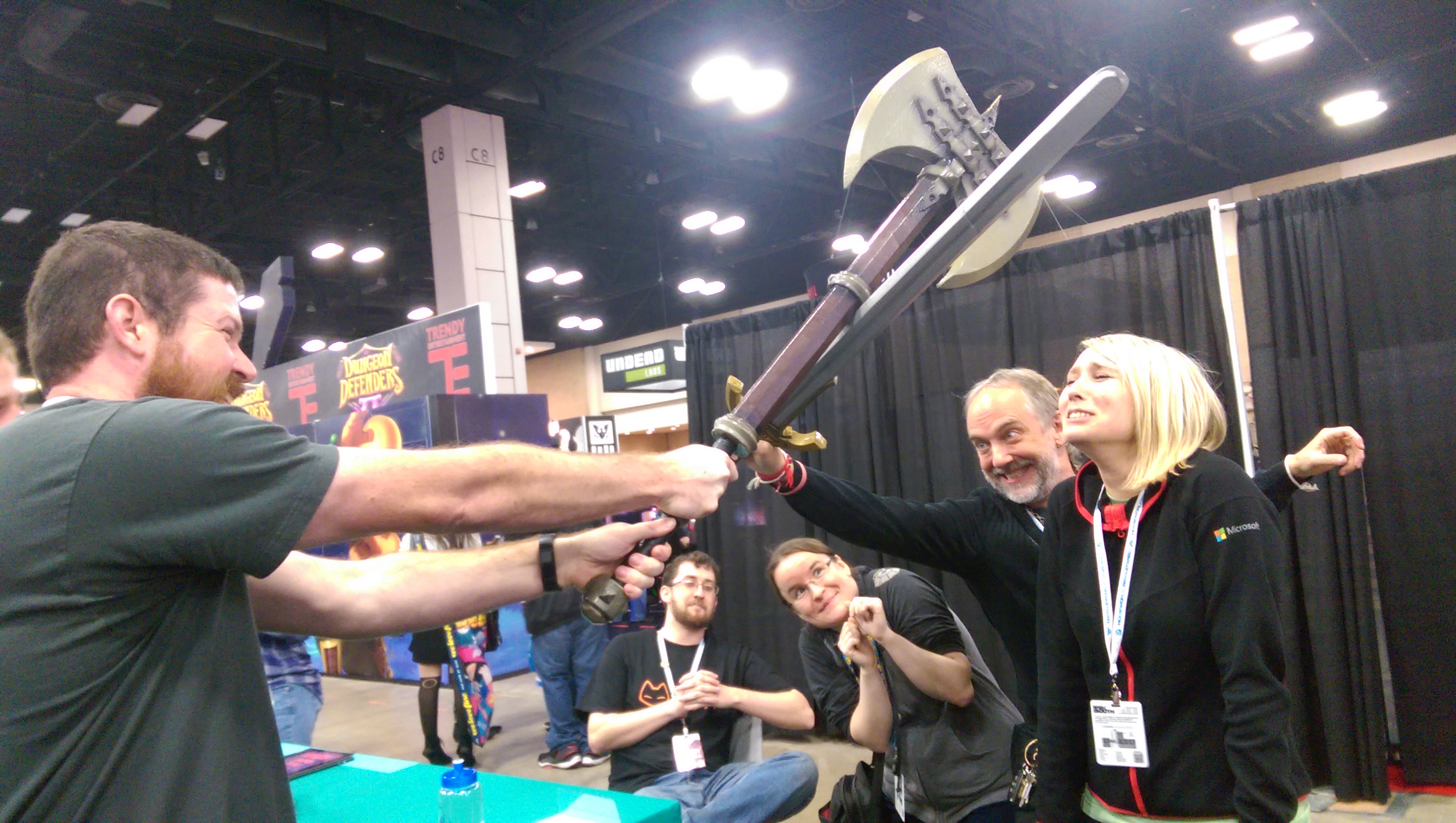
Thank you so much, Cindy, for your sharing your eye-opening experiences! 

Jeanne Stelzer

Jeanne Stelzer was a programmer, a software engineer, a project manager, and the Senior Program Manager for a vice president executive of IBM. While she may not build games, she does play them avidly, and she wrote code for a living for 32 years at a tech company that was ushering in a new era of computing circa the 1980s. 

JEANNE STELZER 
Retired, Senior Software Engineer – Senior Program Manager

COMPANY
IBM

EDUCATION 
North Dakota State University (1974) – Bachelor of Science, 
Computer Science + Minor, Mathematics 
George Washington University – Masters in Project Management

When did you get into gaming?

I graduated from North Dakota State University with a Bachelor of Science degree in Computer Science. The degree had only been available for a couple years; when I first started, it was all Mathematics. Most of the companies like IBM were hiring Math grads because there weren’t a lot of schools that had computer Science degrees at the time. But we had one, and I graduated, & IBM hired me. I guess the first time I thought of computers was in high school; I did a report on computers. It was basically talking about binary systems and things like that. So everybody just assumed that, “Oh, well, she’s going to go in to computers!” So I did. *laughs*

“Gender should be a non-issue. I grew up in an environment where a female, in my family, could do whatever she wanted to do. […] If you put your mind to it, you can do it! And there shouldn’t be anything holding you back.”

Were there any other ‘computer people’ in your family at the time?

My brother, a year older than me, had always talked about computers. So I guess that’s what inspired me. He went to college, but didn’t finish, so, I was the first one to graduate from college. He just went off and did other stuff and I actually stuck with the computer field. I lived in North Dakota in a farming community, and nobody really knew anything about computers, or thought anything about them. When I was a senior in high school, my brother had just started college, so he had actually seen computers there and had started on them, and that’s what got me interested. Otherwise I wouldn’t have known anything about them.

What was your job?

Our team at IBM developed the compiler that the System 38 Operating System was written in, so it was a basic coding-type job. The language was called PLMI. After 5 years I became a manager. IBM liked to send their managers out to do recruiting, and chose me to help since I was female, and they wanted to help recruit females. I liked interviewing people, so they wanted to assign me to occasionally go out to a university – they gave me Michigan State because I had family in Michigan – and I would just go out there and talk to them. I was interviewing everybody, but I was also trying to encourage women, too.

So it was already starting to be a male-dominated field?

It was! And it was interesting because I was NOT the only female in my computer science classes in North Dakota. When I started with IBM, though, there weren’t that many females. But IBM actually had a push to hire females. So there were maybe about five of us that got hired at about the same time. I was able to encourage those girls still in university anyway by showing them PC stuff. When the PC first came out, I brought a PC with me to the university and set it up there. I was fortunate; nobody else in my area at work had one. We had terminal rooms, and if you were lucky you had a terminal in your office. We called them MTMTs – Multiple Terminal Monitor Task– but it was all just text. But when IBM came out with the PC, since I had this recruiting deal worked out with the university, I said to IBM, “Look, I’m not going to show it to those students if I don’t even know how to turn the thing on. That’s not going to look good.” So they actually brought a PC to me and I had it in my office and I got to play with it. And I think that was how I really got into playing with PCs. Then I would demo it in a classroom, a Computer Science and Engineering class, and there would be maybe… three females in that entire class. Out of about forty students. That was in the early eighties, ’83 or ’84.

How many girls do you think you successfully got through to?

I know of one for sure who accepted the job offered her at IBM. There were about 4 others who interviewed later at IBM, but I don’t know if they were offered jobs. They definitely stayed in the computer field though. I wish I could say it was hundreds! But there wasn’t much opportunity to follow through. The one that I know had looked me up later and specifically told me that she was there because of me. That was nice.

“I may not be exactly like Lara Croft, but we all want to be strong. We want to show that we can be strong, and smart, and do the right things.”

Do you remember any hesitations the girls had about joining the computer world?

Everybody thought that IBM was pretty strict – and IBM actually was pretty uptight at the time. It was mostly male-dominated, and you just had to be more like “one of the guys,” basically. It wasn’t like you had to worry about being harassed; there were never any overt things against you from the guys. I never had anybody harass me. IBM didn’t stand for it, so that just didn’t happen. A lot of it was trying to convince women that, you CAN do this, you don’t HAVE to worry about harassment. I don’t know if they got that in school, or what, but it wasn’t anything that you had to worry about in a good corporate environment. You’re not going to have those problems.­­

Tell me about some of your favorite games, and on what consoles they were available.

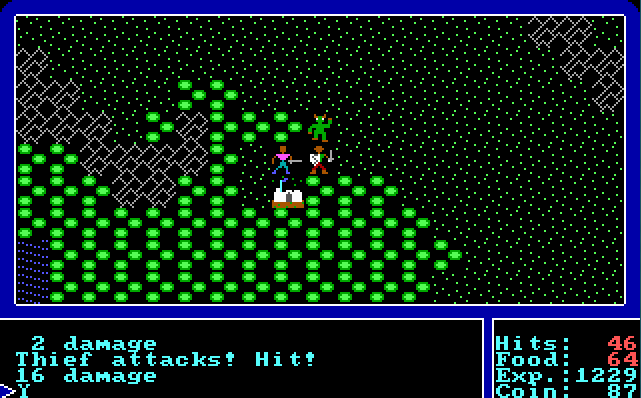
The first game I remember playing at home was the original Pong, in the year ’78. We hooked it up and played it right on the TV. The Apple II and the Commodore 64 had some little games on them. Before then, of course, were the bar games… Asteroids, Pac Man, etc. But the first game that I would call a REAL computer game that I enjoyed playing was called Ultima. It was published by Origin, and Richard Garriott, the creator, was actually living here in Austin, Texas.

Richard  Garriott of "Ultima" fame depicted saving Anna Lergaard from Jason Fox's axe blade.

Richard Garriott of Ultima  fame depicted saving Anna Lergaard from Jason Fox’s axe blade during PAX.

You had a world, and you had your little avatar in there that went around and did different things and fought creatures, so it was your basic hack-and-slash type game. But it was fun because you had to figure out where you wanted to go; it wasn’t like the original Sierra™ ones. King’s Quest, do you remember those games? I played all of those.

Ultima I: First Age of Darkness

Ultima I: First Age of Darkness

As a gamer, what is the one most important aspect of a game that you feel elevates the good games above the rest?

I personally love the graphics. I love good, crisp graphics. That’s why I’m not a big fan of Minecraft; the graphics feel like a step backwards. And so I don’t even find it interesting; I’m not quite that nostalgic. And I do love the first-person games, I guess.
“Usually they’re referred to as First Person Shooters.”
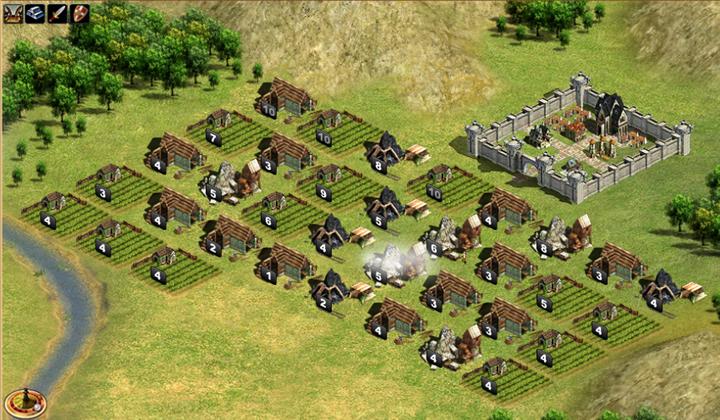
*wince* Okay, yeah, I played Doom, the one where you go through the dungeon in the first person… I don’t care for those kinds of games because I get too stressed. I play games to relax. My job was stressful enough; I didn’t need to get all tense during a game. So the games that I preferred were the ones where you’re acting on your own timeline. You weren’t forced to do things in a certain timeframe. Also, I like where you play against the engine and not necessarily against other players. And I’ve played multiplayer online games. I’ve played Evony, which is one of these “Clash of Clan”-type games, where other people are actually fighting against you.

Evony screenshot.

Evony screenshot.

It just gets a little too personal. So I prefer the non-personal games. I’ll go attack a city if it’s a computer-engine city. But I don’t feel right attacking a city that another player, another real person, has taken so much time to build up. That’s just me.
“So you get emotionally invested?”
To an extent… Not so much “emotionally invested” as that, I’m just a nice person! *laughs* And I don’t care to destroy something that someone else has created.

What sort of games do you think there are not enough of? What direction to you want to see the industry take?

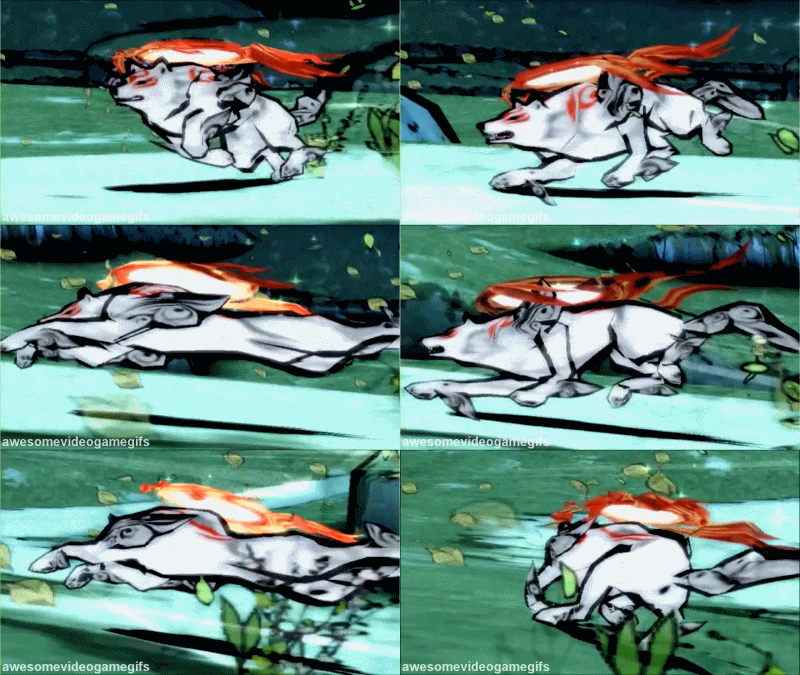
The industry kind of went off into all of the GameBoys® and all of the console systems, as opposed to what you could play on your computer… Like I said, I used to buy PC games and play them on the computer, and I never really had a game console until you talked me into the Wii. Now, that game on the Wii you introduced me to – Okami – I loved that game. I thought it was great! And that’s interesting because the graphics weren’t exceptional on that game, they really weren’t… but they were pretty.

Okami

Okami

“So you didn’t really do consoles much?”
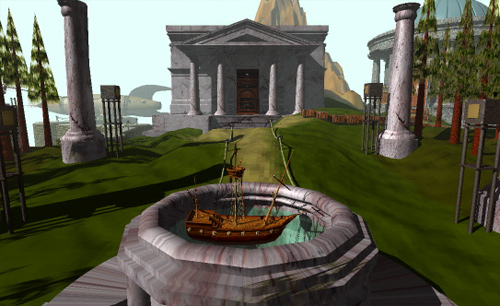
No, it was all just what I do on my computer. So, games like Myst were wonderful. I LOVED Myst. That was a great game. I think by the time they got to the fourth one, though, you couldn’t play it without a cheat-sheet. You needed a walkthrough. It just got a little too… out-there, a little too weird, how some of the mysteries were solved. And then some portions of them were timed, which would be difficult for me, since my fingers don’t work real well now with arthritis and everything. I cannot move the mouse properly – I physically cannot DO it – as fast as the time frame says I need to do it. They need a way to get the boundaries fixed for people like me who just can’t physically do it.

Myst screenshot.

Myst screenshot.

“Are you talking about a sort of handicap?”
It’s almost like an accessibility thing, yeah. But there’s a lot of people like me, and there will be in the future, as gamers get older who grew up with these games. We like playing them, and we still like some of the shoot-em-up games. I still like to go in and smash a bunch of goblins, you know. *chuckle* But you need to be able to do it on your own terms.

How would you involve women with the gaming community, who otherwise might not become involved on their own? 

“You can’t keep kids away from it, they’re gonna know how to do these things. So pretty soon, my grandkids were taking my Kindle out of my hands, and then they were playing it.”

ClashOfClanshackpic2

Clash of Clans

I think that a lot of these Facebook-type games are a step towards doing that. If they’re in an environment where they may just see a game, I think they’re more likely to pick it up. A lot of games I’ve played because they were recommended to me by somebody in the online community. It’s like recommending a movie to somebody – it’s a form of entertainment, so it’s that same sort of thing. It’s like losing yourself in a good book. I like to lose myself in a game. And then, by doing that game, you may see others like it that you might go ahead and give a shot. But then again, you also have family, like how you talked me into­ Okami, and your brother talked me into Clash of Clans.

Do you have any recommendations of what a big company like Microsoft could do to bring more women into gaming?

Microsoft had a lot of really good PC games! I don’t know if they wrote them themselves or just bought them, but I played them when your father was working at Microsoft from the Company Store. There were quite a few games that I got through the Microsoft Store that were the type of game that I’ve been talking about – that I liked doing – where you get involved and the game tells a whole story. It’s like a book, only you’re doing things, not just reading. (Age of Empires; Neverwinter Nights; Dungeon Siege; Sid Meyer’s Civilization)

AgeofEmpires

Age of Empires: The Rise of Rome

The thing about getting women involved in those is maybe when they go for testing – I would have loved to have been a game tester. I don’t know how they go about getting volunteers for testing games, but … *laughs* but I find that maybe, you know, they would get a little more valuable input. Really, not all women are just, “Give me a cooking game! Give me a sewing game!” You know, that’s not the way it is. My typical avatar is this Amazonian woman with a long ponytail. I may not be exactly like Lara Croft, but we all want to be strong. We want to show that we can be strong, and smart, and do the right things. [Gender] should be a non-issue. I grew up in an environment where a female, in my family, could do whatever she wanted to do. And hopefully you were in that same environment in your family! If you put your mind to it, and you want to do it, you can do it! And there shouldn’t be anything holding you back.

You’re saying your gender should not make a difference in what you do for a living in the technology industry?

It should not make a difference, and it’s unfortunate that it sounds like it still is.

How do you think people with diverse backgrounds impact the development community?

Just basically the different ideas. Different ways of looking at things. I don’t know if by “diverse backgrounds” you mean other cultures too, because that’s all a part of it also. I would love to own a game that came from a different culture! It may give me some insight into how they lived and worked. I find all that interesting. The older you get, the more interested you are in other people and places like that. Younger kids don’t seem to be.
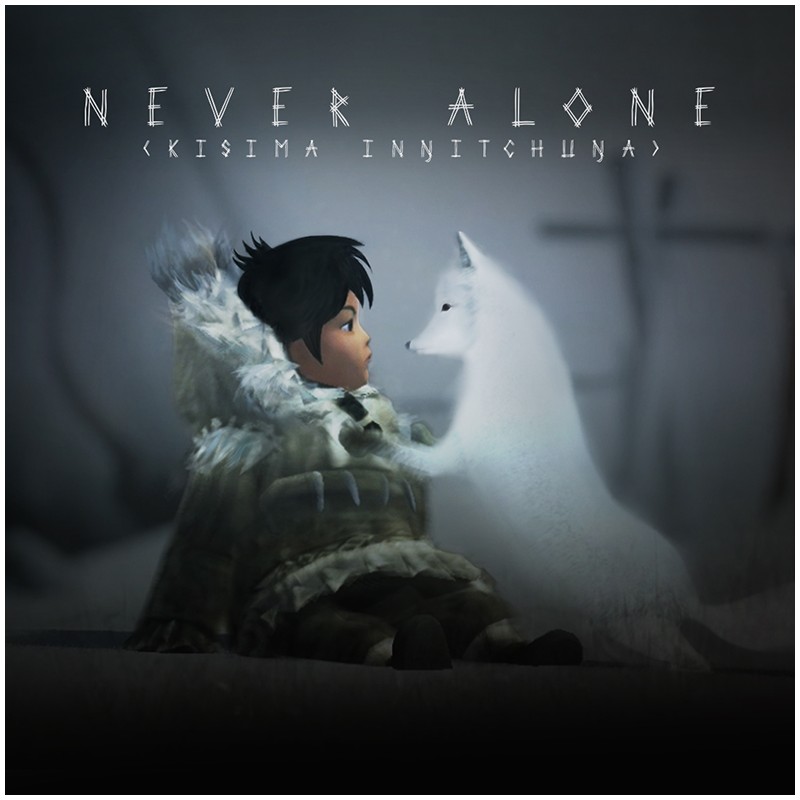
“There’s a game I think you’d like called Never Alone that delves into the traditional lore of a tribe of Alaskan Native people.”
You know, that’s the sneaky way to teach kids things, too! *laughs* But yeah, you could teach a lot of things through games. You can be sneaky, but you can learn a lot of stuff too. Interesting thing: In February, we went to Hawaii to visit with the grandkids. They grew up in Alaska, and their mother’s not one much for letting them play computer games & things like that. So, I had my Kindle along. And, I brought up Angry Birds and Candy Crush, you know, those little games. And they were standing behind me, and they knew immediately. You can’t keep kids away from it, they’re gonna know how to do these things. So pretty soon, they were taking it out of my hands, and then they were playing it. So, it’s just with kids, they just kind of grow up knowing these things now.

Never Alone cover image

Never Alone cover image

Did you ever feel like you wanted to make your own game? Was there ever any idea you had that made you go, “Man, I wish I could build a game that had this.”

I can’t say that there was. Thinking about it, I know parts of games that I liked, and the things that I enjoyed doing, but to actually come up with the idea? It’s like writing a book. I love Science Fiction books. I love stories where I get lost in the world that science fiction writers have created. It’s the same thing with games; you have to have a good world and a good story that you’ve created that the player can get lost in. And I’ve never quite had that creative bent to be able to come up with those worlds. I know a good one when I see it. And I know a good book when I read it, I know a good world when I play in it. I don’t think I could create it.

Thank you, Jeanne, for such an engaging look into the games industry of the past!

Elise Motzny

Welcome to She Builds Games!  This week’s interview is the third in a series of three artists that have shared their experience with being a female artist in the video games industry. Elise “EJ” Motzny makes 3D art for games, movies, & simulations.
Game Art Portfolio:
Four games EJ has worked on include Luminus, Undertakers, ArmyDillos, and Yeti’s Quest. See the artwork she did for these games at http://elisemotzny.com.

EJ has attended the prestigious Game Developer’s Conference (GDC), volunteered for the 3G: Girls, Gaming, & Gender summit, is actively involved in promoting geeky women & minorities through Chicago local groups Sugar Gamers and  Voxelles, and is currently accepting offers for work.

ELISE "EJ" MOTZNY 
3D Artist

EDUCATION 
Columbia College of Chicago: Bachelor of Arts in Game Art

WEBSITES
www.EliseMotzny.com
www.EJsArtBlog.com
LinkedIn Profile

When did you first start playing games?

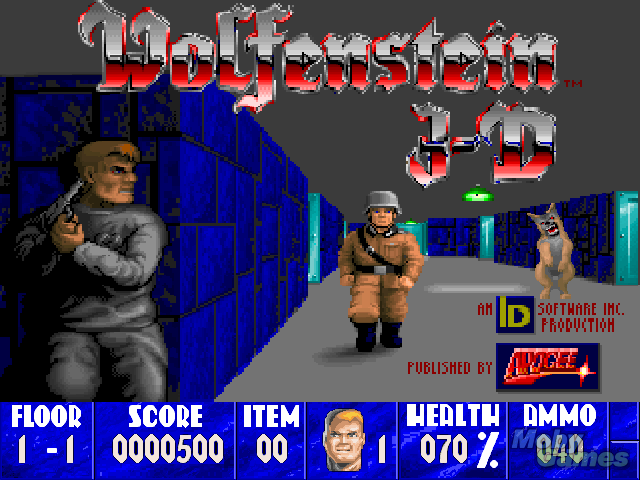
My father built a computer for me when I was a toddler. He made a spaceship game. Whenever I pressed any buttons, rockets would explode or shoot across the screen. My favorite story involves my cousin Michael and me playing Wolfenstein 3D (pictured below) with my dad, with each of us sitting on one of his knees. Dad would control the character movement, I would control the opening & closing of doors, and Michael would control the shooting. Every time a dog would jump out on the screen, I would yell, “Don’t shoot the doggies!”

“Wolfenstein 3-D”

What made you want to start making games?

I used to spend a lot of time modding Sims games. I was really infatuated with trying to get 3D models and specific objects into the game. (The first Sims game didn’t really have a lot of choices back then.) The first tutorial I ever found for 3D modeling was how to build a leg that looked like the Leg Lamp from “A Christmas Story.” *laughs* It was for a program called MilkShape 3D, which is now known as Blender.

“Try not to be too discouraged by the things you make.”

What’s a game you recently played that inspired you in some way?

ōkami and similar works, such as a book called Goddess of the Celestial Gallery (pictured below), inspired my artwork in Yeti’s Quest. Speaking of art, Salvador Dali and Georgia O’Keefe inspire me too. I always try to have some dreamy qualities in my work. ōkami has a very cartoonish, calligraphic feel. For my personal work, I’m currently inspired by Disney’s princess films, like Sleeping Beauty’s beautiful environment backgrounds painted by Eyvind Earle.

“Goddess of the Celestial Gallery”

Artists’ styles are also important to me in video games. When creating personal works, I stay away from realism. I feel depicting reality is mundane while illustrating my imagination and the wonders within fantasy to be fascinating.

How else do you create art?

I really love painting, a lot. I learn a lot about lighting a game from painting environments. While the methods are different, the general moods and emotions can be the same. Painting just feels more natural. I love creating moods and emotions in art. I think the lighting process is a very emotional process, whether to make an environment feel relaxing and beautiful, or uncomfortable and horrific.

What programs do you make art in?

I use Maya, ZBrush, PhotoShop, Unreal Engine, Unity, Marmoset Toolbag, Crazy Bump, and Quixel.

What is the one most important aspect of a game that you feel elevates the good games above the rest?

Keeping your player interested constantly. Immersion. There are too many times where I’ve gotten bored with a game and set it aside.

Is there any game you’ve worked on recently that you’d be excited to talk about?

There’s a game I worked on called ArmyDillos, it’s on Kongregate. (That means you can click here to play it right now. It’s best played with a friend!) You’re a little armadillo, rolled up in a ball. The object of the game is to knock your opponent off the stage three times. It’s only two player, but it would be really fun as a party game. It was a weekend game jam game where we raced to make a game in 2 days.

“ArmyDillos,” models made by Elise Motzny

Could you talk about the work flow you use when designing art for a game?

Have a solid game plan. Once you have a solid idea, it’s easier to fall back on, in case anything should go awry. Planning is extremely important, and too often, artists and game designers skip the concepting phase or don’t do it enough. The more you can plan, and see what affects what, the easier it will be. Don’t be discouraged if you don’t get it right on the first (or fifth) try.

Try not to be too discouraged by things you make.

“Perhaps women employees are discouraged from being outspoken in fear of receiving backlash from the ‘unfortunate’ side of the game community. To them I say, Please stand out. Please mentor other female game developers!”

Are there any development roadblocks you’ve run into more than once, or for an extended period of time?

Oh ugh, yes! *groans* Lack of belief in myself and my own artwork has been my biggest challenge, because I’ve sometimes been blind to the fact that I wasn’t believing in myself.

How did you deal with the roadblock and keep progressing?

Trudging through it and talking with my friends is how I dealt with the roadblock and kept progressing. I wouldn’t stop making art; it didn’t matter if it was good or bad, I just made it. If you shut down and choose not to talk about it, you’re not giving yourself a chance. So seek aid! Seek someone to talk to! It doesn’t even have to be a professional game artist, it can just be a friend who knows a little about your game. You just need someone to say, “No, what you’re doing really is cool! I believe in you!”

Are there any other roadblocks you’ve faced?

Another roadblock I’ve run into is when people show great passion & enthusiasm, and make promises, but don’t follow through. That is the biggest red flag you can ever see when it comes to working on projects as a team. When someone says they’re going to do something but they don’t, it not only causes problems for you, but it also causes problems for the team and lets the game down. Things can just dwindle and fall apart.

How did you deal with that?

That person either needs to be confronted immediately or dropped from the team and replaced. Yes, it will be difficult to do that, especially if this person is your friend, but if you want the project to get done, you just gotta do it. There’s no sugar-coating it.

“Stop convincing yourself not to go to industry events because you don’t know what you’ll gain. Just go. Too often we feel like staying home in our caves rather than reaching out to others.”

How do you stay organized while working with other people?

We use Plastic SCM version control software. I even use it for my own personal artwork and encourage other digital artists to learn and use it too! It makes organizing a file history completely painless because you’ll no longer have to enumerate your files.

I really Google Drive and Google Documents that anyone can edit online at the same time.

Where do you get your best work done? (In an office? From home?)

Right now, at home in my office. I feel really fortunate to have my own home office. Most artists at my stage in life don’t have that benefit. Sometimes I go to coffee shops, but I spend tons of money on coffee! (I love Julius Menil and Soho House!) At home, however, I have the distraction of my cat, Blu, who loves playing fetch!

3G

How do you meet like-minded developers?

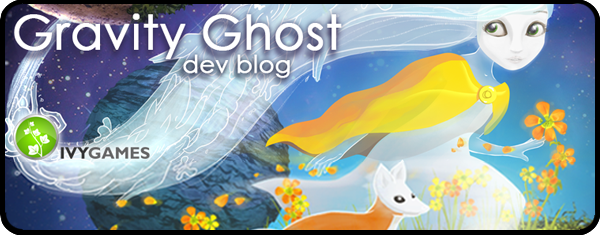
I met some of the people I work with currently at Columbia. I met developers at 3G: Girls, Gaming, and Gender summit, where I volunteered. 3G was all about being a mentor to young girls in gaming. Cindy Miller and I helped bring the ideas of those young girls to fruition. This was with some really high profile indie game devs, like Erin Robinson (Indie Game Designer, (“PuzzleBots,” “Nanobots,” and “Gravity Ghost“). I first met Erin at the Chicago Indie City Games meeting, and I’ve been playing Gravity Ghost ever since. I played it in its infancy! *laughs*

GravityGhost1

Created by Erin Robinson, “Chicago’s Indie Video Game Darling

I also meet awesome people like Sarah Sexton(!) at Chicago Video Games Industry Night. GDC is cool, but make sure you go with a goal in mind, such as, make one awesome contact that you will keep in touch with after you leave San Francisco. But stop convincing yourself not to go to industry events and meet ups because you don’t know what you’ll gain. Just go. Too often we feel like staying home in our caves rather than reaching out to others. You never know who you’re going to meet or what you’re going to learn. I don’t think there’s ever been a time where I didn’t benefit from an event, convention, or just going out somewhere. I want you to go to these game industry events so I can meet you!!!

“Stop telling people what to do during games and just let them figure it out and have fun.”

What sort of games do you think there are not enough of? (What direction to you want to see the industry take?)

Cooperative party games that are really fun. I feel like there has been a lack of fun multiplayer cooperative games in the adventure genre. I’m a big fan of Skyrim, and it would have been fun to cooperatively play through games like that on my couch. Games more fun with friends while playing in the same room. I used to play Duke Nukem and have something like 13 computers in the same room and that was how I spent every birthday as a kid. I could actually see and hear my friends’ screams of agony as I blew them up with a bazooka or tripped them with a laser beam!

How would you involve women with the gaming community, who otherwise might not become involved on their own?

My friend became more interested in games by me just handing her a controller and letting her do whatever she wanted without yelling at her. Stop telling people what to do during games and just let them figure it out and have fun. I call that the Mom Test – if my mom can’t figure it out, it’s the game’s fault. I think too many hardcore gamers forget that it’s not just about acing every level. Not everyone needs to come in first place to have fun; some people just want to ride the snowboard down the mountain while laughing hysterically, but enjoyed every minute of it.

What can big companies like Microsoft do to bring more women into gaming?

Stop trying to address the female audience directly. I feel like that doesn’t help, it hinders. A game should be able to be diverse. For example, I loved Unreal Tournament but I hated Barbie. I just feel like if your audience is not having fun playing a game, they’re not going to care, and they won’t be impressed. So stop targeting the female audience directly and just make good games for any audience. Just because it’s pink with sparkles and has Barbie plastered all over it doesn’t mean we’ll like it. I feel like when you address the female audience directly, you’re addressing a different problem regarding gender stereotypes.

As for game devs, publish more lady game dev and lady artist interviews! It seems like every tutorial I look at is made by a dude! I know there are more ladies out there because I’ve seen & met them! Big studios should share & interview their female developers. (Although perhaps those women employees fear backlash from the ‘unfortunate’ side of the game community. To them I say, Please stand out. Please mentor other female game developers.) If big studios could do what you’re doing, Sarah, by interviewing a lady game dev, other women could see that and be inspired by that.

Do you think people with diverse backgrounds impact the development community?

I think they keep games from being one-sided. It’s not even about “diversity,” it’s about having enough people that think differently. If everyone on your team thinks the exact same, what value is that worth? Not much, in my opinion.

Thank you, Elise, for your great stories!

Geina Malavolti

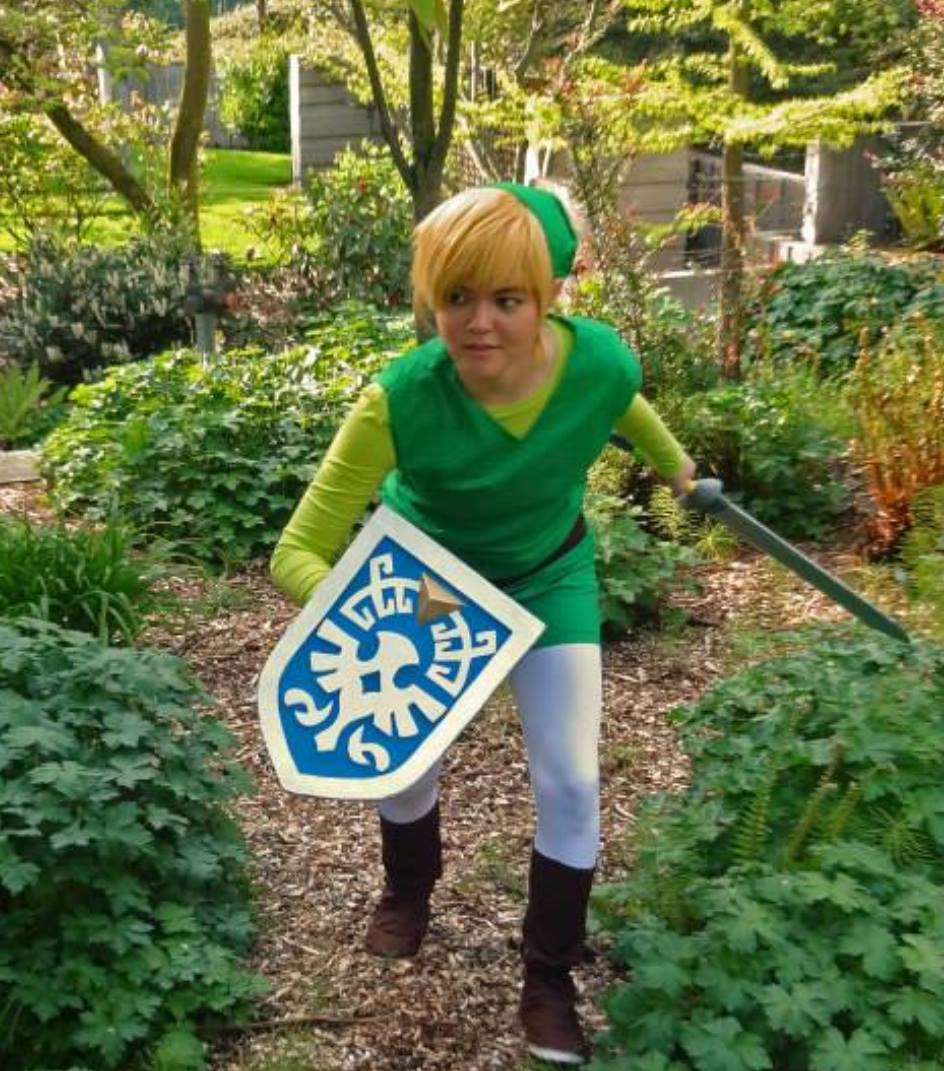
Welcome to She Builds Games‘ third interview! Geina Malavolti is the second in a series of three artists that are sharing their experience with being a female artist in the video games industry.  Geina was born in California, lived in Japan after the age of three, and moved back to Oakland when she entered the sixth grade. She is a passionate costume-maker, game-player, and character designer!

GEINA MALAVOLTI 
Concept Artist / Character Designer

EDUCATION 
Central Washington University - BA Music Education.

When did you first start playing games?

My first game system was given to me at the age of 5 when my grandpa decided to get my older sister and me into the very popular franchise, Pokémon. He bought us our first Gameboy Colors along with Pokémon Red and Gold. I never understood what I had to do in the game at that age because I wasn’t on a very high level of reading in Japanese, but I did have fun just exploring and battling wild Pokémon. I continued to buy more games on Gameboy Color which later evolved into playing and buying games for the Gameboy Advance SP, GameCube, PS2, PSP, Nintendo DS lite, Wii, and currently Nintendo 3DS XL, WiiU, and PS4.

GeinaDrawing

My gaming addiction really took off when I was about 10 when my sisters and I would spend hours on our GameCube trying to figure out puzzles on Zelda: Wind Waker, Ocarina of Time and Majora’s Mask from the GameCube collector’s edition or trying to steal the best items from the town shop before my sisters did in the first Animal Crossing. I have so many important and fun memories from when I first started playing video games and I have many people to thank for that.

GeinaLink

What made you want to start making games?

My love for video games made me want to be involved with the creation process. I am an artist, so I love creating things that everyone and myself will enjoy. I originally wanted to be a studio musician so that I could play in the orchestras that record video game music. Video game music is my favorite thing to listen to when doing anything and it was my dream to be a part of the group making that music. After realizing that my skills on clarinet will only have a thin chance of making it into that level, I decided to begin pursuing character designing for video games. I have been drawing ever since I could remember and looking back at my old drawings, they mostly consisted of Link from Legend of Zelda, or my favorite Pokémon. I want to be involved in making games because I want to share my character ideas and input game ideas so that everyone can have a great experience.

“I’d like to create a game that has a good introduction to beginners, but can also be played to a high level for those who are more experienced.”

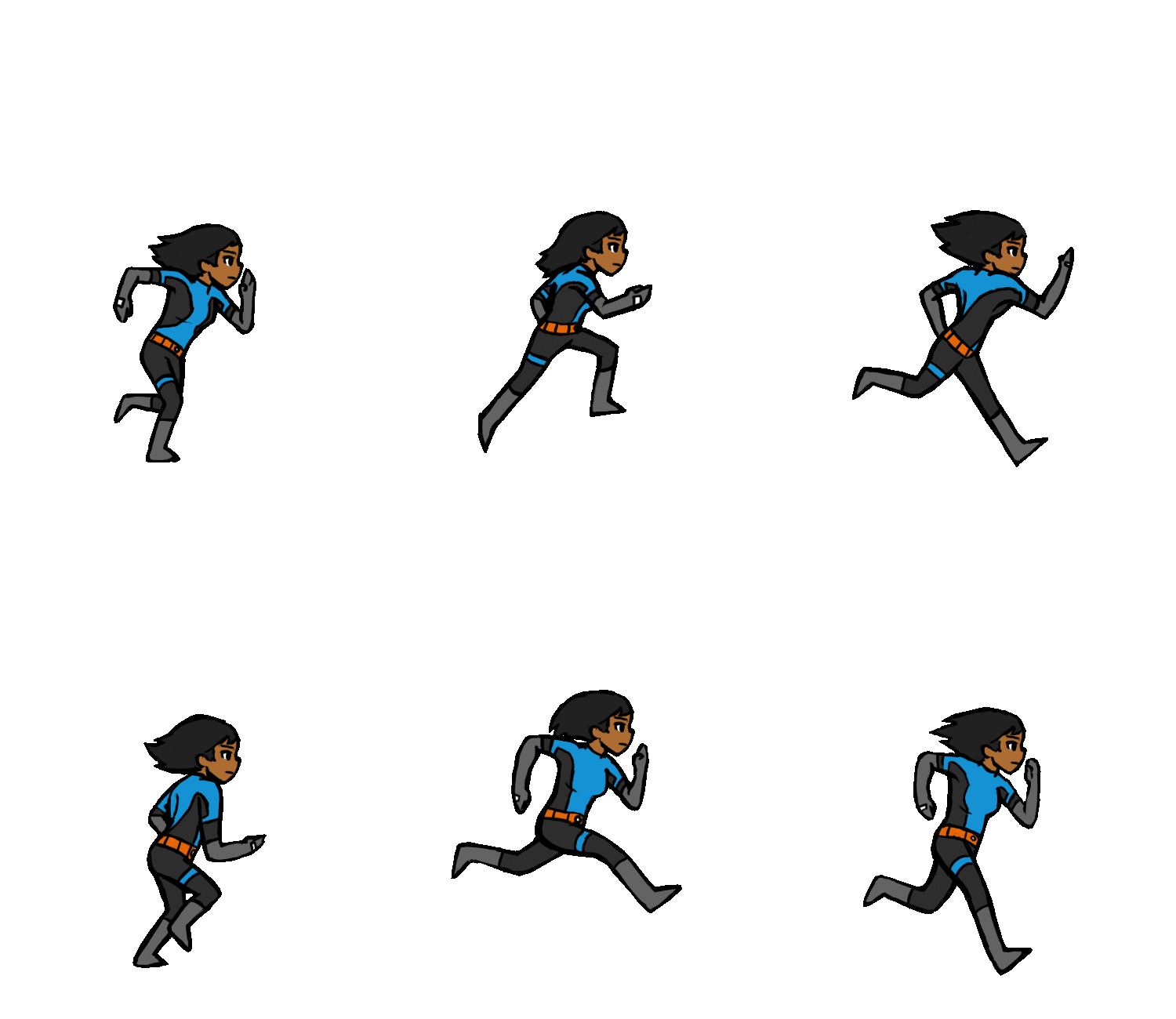
A sample of Geina’s animation and character design work:

Running Girl

What is the one most important aspect of a game that you feel elevates the good games above the rest?

I think good games are fun games that include a lot of creative and original content. The original content and creativity that goes into a game is what I think gains more recognition. One recently released game that has received high ratings all over is Super Smash Brothers For the WiiU. I think it holds such a high rating because the game is purely based on fun. It gives the option to play many different types of games suited for people with different taste. Simply put, it is just a fighting game. However, this fighting game can be as simple or complicated as each level of player makes it, so it caters to all types of gamers.

As for a creative game, I think the Legend of Zelda series does a great way of creating puzzles that utilize the items or ability you have in the game. There were tons of moments in A Link Between Worlds where I just was surprised with how cool the puzzles were solved by just utilizing the ability to merge into walls.

What’s a game that you recently played that inspired you in some way?

The first one in a game that I played on the PS4 called “PIX the CAT”. This is a game that combines the simple and well-known games “Snake” and “PAC-MAN”. The cat, which you control, collects eggs that become ducks that follow you. After collecting the eggs, you must avoid trapping yourself within the long line of ducks following you and walk over the teleporting holes so the ducks are transported to safety. After safely transporting all ducks, you move onto the next room with a new puzzle.

It is such a simple concept, but this game is so fun and has so much replay value because of the various modes and the release of a new puzzle daily. My friend and I were recently trying to think of an idea for a game that is simple enough yet appealing both to casual and advanced gamers. Our main focus was that the game would be fun and will make you want to come back and play it over and over. When we came across “PIX the CAT”, I just remember being so inspired to want to create a game like this. It has a nostalgia factor of being similar to PAC-MAN and Snake but has a very new feel to it.

“I want to be involved in making games because I want to share my character ideas and input game ideas so that everyone can have a great experience.”

Is there any game you’ve worked on recently that you’d be excited to talk about?

There is a game I am currently working on with a team but we don’t want to release much information on it. So far, the experience of working together and combining ideas have been great. It will be a while until it’s done, seeing as half of our team is still in school but I can’t wait to share the game with everyone when it’s ready.

Could you talk about the work flow you use when designing a game? (Milestones you have to hit in order to build a successful game.)

In my case, when I design a character, I try to get as much information about this character as I can and I will sketch multiple designs. I explain each design idea to the leads of the team so they know what I was thinking to create them and choose. I also ask if they like particular parts in the design that I could carry over to another design.

GeinaPJ


Are there any development roadblocks you’ve run into more than once, or for an extended period of time?

The roadblock I encounter is when I can’t find an inspiration that’ll make a character look unique.

How did you deal with the roadblock and keep progressing with your game?

I try to solve this by going out and away from the house and observe everything around me. Keeping my mind off the project for a little while sometimes leads me to come up with a new character designs out of nowhere.

How do you stay organized while working with other people?

I like to have frequent meetings so we all know how much progress we have made and how much progress we’d like to make by a certain date.

Where do you get your best work done? (In an office? From home?)

I usually get most work done by sketching at home with video game music playing in the background. However, I can draw almost anywhere in public during the day to gain inspiration for a design.

What sort of games do you think there are not enough of? (What direction to you want to see the industry take??

I think there aren’t enough of Life-based games like Animal Crossing, Harvest Moon, and the newly released Fantasy Life. I think it would be great to see more games that combine the Life-based games with other genres of games.

How would you involve women with the gaming community, who otherwise might not become involved on their own?

I would continue to make games that cater to both beginner and advanced gamers, despite who we’re trying to bring into the community. If any person is not involved in gaming to begin with but would be willing to try one, I’d like to create a game that has a good introduction to beginners but can also be played to a high level for those who are more experienced. I view video games as a book. They are for everyone and anyone who would like to pick up a book, or in this case, a controller. To involve a wider variety of gamers, I think it’s important to release a wider genre of games. The popular shooters that gain a lot of attention just happened to attract more male players than female, and that seems to create an image that women are a rare entity in the gaming community. Everyone has their favorite genre of games that they like to play, but many of them don’t gain the attention that first-person-shooters do. I think a great way to get more people involved into the gaming community is to release a wider variety of games that will attract beginners and advanced players alike.

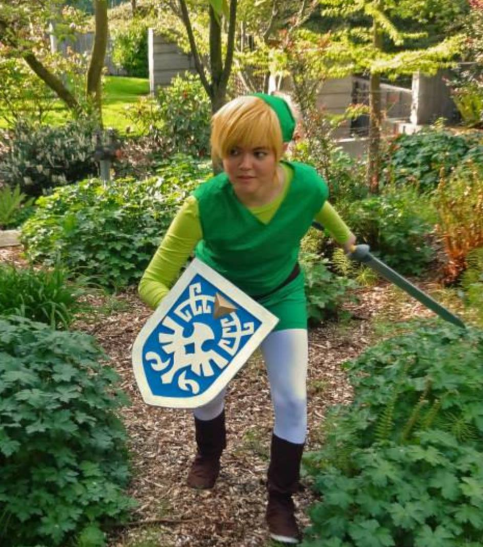
GeinaHyrule

What can big companies like Microsoft do to bring more women into gaming?

Large companies have the power to hype a game regardless of the audience. I think bringing the level of hype to other games besides first-person-shooters.

“I view video games as a book. They are for everyone and anyone who would like to pick up a book, or in this case, a controller.”

What can I do locally to bring more women into gaming?

If anyone seems to have an interest in gaming, I’d love to introduce them to many genres of games that they find interesting so they can come across their favorite taste that they find entertaining or fun.

Thank you, Geina, for sharing your passions!

Britnea Sage

Britnea Sage is an awesomely outgoing recent graduate. She’s a creative extrovert who loves animals and has a way with words. She’s proficient in Autodesk Maya 2012, Adobe Photoshop CS5, and has intermediate skills with Zbrush and the Unity engine. She is trying to figure out this crazy world just as much as we are! 

BRITNEA SAGE 
3D/Digital Artist 

COMPANY
Gannett media and marketing solutions

EDUCATION 
Illinois Institute of Art - Chicago. BFA  

WEBSITES
Britneasage.weebly.com

When did you first start playing games?

Oh, jeez. I was young. Like easily 5 or 6 years old. I would play the NES with my sister. She’d play Mario and I’d be Luigi, being the younger sister. Inevitability she’d beat the game before I got to play.

How old are you now?

I’m 25. I’ll be 26 next week on Wednesday.

Do you build games?

While I am not currently building a game, I have in the past for school.

“When an Art Institutes representative came to my Graphic Arts tech class in high school, I fell in love what she was saying.”

Was the class where you built a game a requirement, or an elective?

Requirements. I didn’t get many fun electives that let me do that. I was in school for game art and design, so it was a common thing.

Why did you choose game art and design?

I was lost for what I wanted to do with my life, as I’m sure most teens are. I have loved video games since I was young. I love teamwork, some structure, but I’m a creative type too, so I liked the thought of that avenue. I had some talent in art but definitely needed some training. So when an Art Institutes representative came to my Graphic Arts tech class, I fell in love what she was saying. She really sold me on the school. She said it would help hone my skill in art while working towards that career. I also have a huge passion for movies, storytelling and monsters. So I felt like it just kind of fit.

“The AI rep really sold me on going to an art institute school. She said it would help hone my skill while working towards a career in art.”

What is the one most important aspect of a game that you feel elevates the good games above the rest?

A strong story. I can’t immerse myself in something so flat. And it’s a fine line, because I love the idea of games like World of Warcraft but the reset factor and the fact you have to read the storyline makes it tedious and disconnected. I think Star Wars: The Old Republic really hit a strong cord with the voice actors. However, end game and the fact that your decisions didn’t really matter were kind of a killer. But still a strong direction! To me that’s what makes a game, that’s the whole point of them. A story that comes to life visually that you can escape reality with.

What’s a game that you recently played that inspired you in some way?

A game that recently inspired me? Jeez, I can’t think of just a singular one. Inspiration comes in from everywhere. Perhaps the game “Knight Rival” to inspire a better horse-esque RPG.

“To me that’s what makes a game, that’s the whole point of them: a story that comes to life visually that you can escape reality with.”

Could you talk about the work flow you use when designing a game? (Milestones you have to hit in order to build a successful game.)

I’m all over the place. First off, I’m an artist, so I’ve only made some primitive games with my limited knowledge of programming. Inspiration is always the first part for me. Then crafting the characters, giving them quirks and understanding why they’re in their world. Then a style and ranges of power. From there it just evolves naturally.

What sort of games do you think there are not enough of? (What direction to you want to see the industry take??

I feel like there is a shortage of quality story-driven RPG/Adventure. The industry seems to have taken a turn for sports/shooters, which are great in their own right, but seem to be overwhelming the market.

How would you involve women with the gaming community, who otherwise might not become involved on their own?

I feel like if we were to bring down the “hardcore gamer” myth and bringing more diverse games into the mix, we could bring in a larger market of ladies. I remember when I was growing up, I felt like I couldn’t push my pride for being freakin’ awesome at Harvest Moon or getting all the recipes for Cooking Mama because those just weren’t the “cool” games. I am a conqueror in God-games like Black and White; sadly, these games don’t get as nearly as much attention or cred as Halo or Call of Duty, the latter being a pretty much constant reshelling of itself the last few  years.

What can big companies like Microsoft do to bring more women into gaming?

For a big company, it is easier to market more to those games like Call of Duty than it is to put dedication into the creation of more diverse games or more advertising to them. And it’s not necessarily a waste of money. The Wii was one of the best performers in terms of dollars because of their “silly” games. Reaching into the community and getting thoughts is a great way to understand that moving culture is important. Standing still? That’s death. Just look at Nintendo, who was so slow to catch up with Microsoft and Sony.

“I feel like if we were to bring down the ‘hardcore gamer’ myth and bringing more diverse games into the mix, we could bring in a larger market of ladies.”

What can I do locally to bring more women into gaming?

Getting groups together, hosting events, reaching out to the girls you know that have this interest is great. I feel like the key is really just being open and encouraging.

How do you think people with diverse backgrounds add to the field of game industry?

It brings different cultures to the mix, different beliefs and different ways of seeing things. That is the magic to bringing something to life, in my opinion.

Thank you Britnea for your candid and insightful discussion!

Amanda Lange

Amanda was brave enough to be our first interviewee for “She Builds Games.” Amanda Lange is a Technical Evangelist from Microsoft based in Philadelphia. She is focused on game development, mobile app development, and cloud computing using Azure. She is currently a teacher at Harrisburg University of Science and Technology where she’s focused on virtual world studies, and in the past has worked on games research projects with MSU and at WVU.

AMANDA LANGE 
Technical Evangelist, Video Game Developer 

COMPANY
Microsoft 

EDUCATION 
Bowling Green State University - BA Computer Art 
Michigan State University – MA Digital Media 

WEBSITES
secondtruth.com 
tap-repeatedly.com

How and when did you get into gaming?

I’m over 30. I’ve always been a gamer. I had the Atari, NES, and Commodore 64 growing up. When I was about 12/13 I saved up my money to buy an SNES on my own. It was really hard to separate me from games after that. I was obsessed. A friend and I even made mixtapes of the music from our favorite games. In around 1993/4 when Doom was popular, I got into messing around with the level editor. However it took me a pretty big leap of logic to realize that making games was a career choice. I originally got into animation because I wanted to make cartoons, movies or special effects. However, when I got into doing stuff like creating Dungeons and Dragons scenarios for my friends, I came to realize that game design was also a field of study. So I started to come at games from every possible angle.
In graduate school at MSU I had the opportunity to work on some Serious Games for learning and research. From there I realized that I was passionate about all aspects of games and I wanted to stay close to the industry.

“There are too many games for me to play, but there are still not enough games in the world. I think everyone should create games.”

Did you face any negativity about your choice from peers outside the gaming community?

I think my parents were a little concerned about me going to school for art when I was just out of high school, since I didn’t choose something a little more practical like computer engineering. In retrospect either path probably could have lead me into this industry, but I was most interested in 3D. I think their concern was kind of understandable because I grew up in Ohio, where, though I went to a great school (Bowling Green State), tech jobs were a little light on the ground in the region. So I wouldn’t really call it negativity, per se, more caution.

Tell me about some of your all-time favorite games and on what systems they are available.

Looking strictly at nostalgia, my favorite games tend to be RPGS from the SNES era – Chrono Trigger, Final Fantasy 6 (USA 3 back in the day), Earthbound…
I’m a huge fan of Street Fighter 4 but way out of practice on it.
More recent games that I can’t not talk about sometimes: Deadly Premonition, Halo 4 (Xbox 360 games), The Walking Dead…. In 2011 I got obsessed with Skyrim and I had to uninstall or lose all my free time… I always do “Games of the Year” write-ups at the end of the year so you can check that out here for last year; I wrote about Fire Emblem and Saints Row and Dragon’s Crown among others. I just love games, so it’s hard to name a favorite sometimes.
This year I have loved Super Time Force, D4, and Shadow of Mordor on Xbox One, and Escape Goat 2 and Shovel Knight on PC/Steam.
I’m really excited about Sunset Overdrive and the Master Chief Collection – Overdrive just came out, but I want to get through Mordor first.

What do you find appealing in your favorite games?

I like variety. Anything that’s new and different appeals to me these days which is why I play a lot of indies, but I don’t think it’s right to put aside AAA either. I like games with an interesting story especially if there’s more to the story than the surface appears. So I gravitate toward those sorts of games. (One study I’ve heard about has said that when people say there is an interesting story in a game, they really mean interesting characters, so maybe we’ll go with that.) I also like games with puzzles though.
I like longer games, but as I get older I find I have less time for them. I really have to be very deliberate about setting aside game time.

What is the one most important aspect of a game that you feel elevates the good games above the rest?

Just the idea that someone somewhere involved in the process had a vision. To me it’s less about polish per se than creativity, though polish is certainly nice. But if no one at any point cared about the game, then the game isn’t going to be very good. So I guess I prefer games that feel as if they were made with love.

Tell me about the game you’ve built or are building that’s your favorite to talk about.

Well, the game I’m messing around with now was primarily a coding practice exercise, so even though I’ve talked about the dev process it’s not super-interesting to me… Darn!
What I really would like to do, if I had the time, is get back to writing in Inform 7. I released a game for the Interactive Fiction Competition a couple years ago, and it was OK, but it was far from bug-free and I’ve been jonesing to either revisit it, or do something different in the space. (If you aren’t familiar with Inform 7, it’s basically a type of code to write text adventures, the kind where you type “go east” and tell the computer what to do.) I have about three different works in progress in Inform 7 that all have potential to be really good if I finally finished any of them. Sometimes it needs something like a deadline to actually get a game completed, so that’s one reason why I actually entered IF Comp when I did in the first place.
In a couple of weeks I signed up to participate in a game jam, so I’m hoping to get something cool out of that! It’s been a while since I jammed.

Could you talk about the work flow you use when designing a game? (Milestones you have to hit in order to build a successful game.)

It really depends on the game, the scope of the game.
I guess games aren’t really like other software. There’s not like a single process that seems to make sense for building them.
For something like an RPG, I start with spreadsheets, describing powers and characters and so-on.
For a text adventure (I’ve done three now, one in Inform and two in Twine), I’ll make a basic graph outline of the branches I want for the story. Then I’ll get to noodling around in the creation tool, block out the major movements of the thing, and make some adjustments to my outline as I go.

Are there any development roadblocks you’ve run into more than once, or for an extended period of time?

Just losing motivation to work on a particular project is the biggest roadblock.

How did you deal with the roadblock and keep progressing with your game?

Sometimes I’ll pick it up again weeks or months or years later but other times I’ll just admit it wasn’t meant to be. You kiss a lot of frogs designing games.
Like I said, having a deadline or some kind of time pressure to hit and ship really helps me to actually complete the work. So I work best in a jam environment or in an environment where there is a competition and some kind of deadline looming. It helps me to think, okay, I have to actually finish! Otherwise I do tend to get caught spending 80 percent of the time on 20 percent of the little niggling things. I get into a loop of Valve Time.

How do you stay organized while working with other people?

Source Control! And shared documents help a lot. Prior to working at Microsoft I worked in a totally different shared document environment as you can assume.

If you could improve yourself at one area of game development, what would it be?

Right now, I’m learning to program C# in Unity.

I’ve heard that finding play-testers is difficult. Do you have any stories about this?

Naw, I’ve never had much difficulty finding playtesters.
The only part I found tricky was, for example, with the IF Comp, making sure my playtesters got the game early enough that I could use the feedback they gave me. Test early and often!!

How do you approach game testing?

I generally look for someone in the target audience of a game and ask them if they will play it. Sometimes I buy them a nice coffee for their time!
The best playtests I have done involve recording people who are playing the game to play back on video later.
Generally speaking, in an agile environment, more rounds of fewer testers is better than just a couple rounds with a lot of testers. It allows you to iterate on the process more.

What sort of games do you think there are too many of? Not enough of?

There are too many games for me to play, but there are still not enough games in the world. I think everyone should create games.
If I had to pick a type of game I think people should stop making, I’m really not a fan of the very early student experiments in board games where they write “go forward 3 spaces” and crap on a board and give you two dice and have you roll the dice and move and land on spaces with instructions like “lose a turn” or “go back two” and then maybe it’s all supposed to be really a book report or something, and occasionally you answer trivia cards? I’ve played this a hundred times. It’s hard to say that these should be BANNED, because clearly this is a necessary part of understanding game design and experimentation. But students should get this Chutes and Ladders stuff out of their system before they are out of high school. Like ideally, in middle school, everyone should make this game, and then be told to stop making it when I get to them at the college level. That would be swell. Oops, I went on a rant, but we really do need better board game education.

Have you ever personally encountered jerks inside a gaming community? How did that affect you at the time?

Yes. It hurts my feelings. Hey, if it seems like I’m being vague, that’s on purpose, because I think we dwell WAY
too much on toxicity and give it too much of our time and attention.

Do you have ideas on how to mitigate the jerks?

“Show women in commercials. Show young girls in commercials. Show boys playing Dance Central and girls playing Halo.”

On some level, it’s important to acknowledge that there are problems, that those problems need to be worked on, and that we are all in this together.
I DO think there are way too many articles focusing on toxic gaming behavior. I think it becomes a breeding ground. I acknowledge that I read these articles and because I contribute “clicks” to that kind of thing, I’m part of the problem, but I try to avoid writing a ton of negative stuff no matter how easy that is to do. I don’t think we should sugarcoat the problems there are, but I think an “everything is terrible” attitude is also really self-defeating. It feels like we are all in this together.
Better education helps. I’ve seen chat threads where someone just gets TOTALLY toxic for no apparent reason and it often turns out that they just didn’t realize a word they were using was inappropriate. It boggles the mind but some people are just not taught how to disagree politely or that disagreeing with someone politely is possible. They see an idea they don’t agree with and immediately march into battle. I believe that we should teach Rhetoric to kids in schools. Teach manners so that they have better manners when they are adults. Actually explain to people how to frame an argument without being a jerk. I think it would go a long way.
Where it comes to anger, Riot has done some studies, and they have found that a “toxic player” is sometimes just a troll, but is USUALLY a perfectly reasonable player who is just having a bad day. So it’s not that anyone who is toxic should be permabanned from games, but tools to report people, to lock accounts, and force people onto cooldowns when they are being toxic are really important. It’s also important to have humans check these tools and resolve disputes. Good community management is so vital and so undervalued. Show women in commercials. Show young girls in commercials. Show boys playing Dance Central and girls playing Halo.

What can big-name companies do to improve the gaming community?
Better tools to block and report.

Take reports of toxic people seriously.
If you ask any gamer what the platform with the most toxicity and worst tools is right now, I would wager they would say it’s not something like Xbox Live; it’s Twitter.

What can companies like Microsoft do to bring more women into gaming?

I think this is a great question because I think bringing more women into gaming will bring more women into tech.
A big part of this is reminding women that they are already gaming, though. Gamers are something like 45% female according to the ESA. We need to remove the stigma that if a woman is interested in playing a game, it’s not a “real game.” I once saw a panel at PAX about “how to bring REAL GAMES to Facebook,” and it turns out that when they said “real games,” they meant “games that appeal to mostly men.” Surprise: there were already real games on Facebook. So number one, let’s not forget that women are already here.
Show women in commercials. Show young girls in commercials. Show boys playing Dance Central and girls playing Halo. Maybe that’s crazy but gosh let’s see what happens if you try it. Do we think young men will stop buying Halo if they see a girl playing it in a commercial? What if she’s playing it next to a boy? What if we’re bombarded constantly by the image that these things are fun for everyone and the competition is kept light and friendly? Can we change what we think the rules are about these interactions?

“We need to remove the stigma that if a woman is interested in playing a game, it’s not a real game.”

How would you involve women with the gaming community, who otherwise might not become involved on their own?

This is tough because a lot of the articles about how it’s toxic will scare people away. 90 percent of my interactions with gamers are lovely and wonderful. I think it’s possible to have a bad experience with any hobby. I do think it sucks that “develop a thick skin” is a requirement. Seems like not just for gaming but for tech in general. I do think if it were less scary, more women would take part. I do not want to generalize, but I know lots of ladies just don’t WANT to deal with annoying strangers in their spare time. So better tools for finding friends, mitigating toxic people, etc, will help.
I have some thoughts about how to make core console games more accessible in general. For example many women seem to suffer from simulator sickness or get ill in 3D environments more often than men do. Part of this is because they are not used to it (so start them young – it’s harder to get over this problem as one gets older) but also include some motionsickness assistance in your game. Some designers like to eliminate HUD elements because it looks “clean” but having a visible HUD gives you something to stabilize your eyes on and goes a long way toward helping mitigate simulator sickness, so if you MUST eliminate it to keep your screen uncluttered please include a motionsickness mode with a visible crosshair as an option.
Women need safe spaces to try things out where they won’t feel judged. Part of what’s hard about getting into games is a lack of initial skill, and lots of times women just don’t have time to practice. I support all- women gaming leagues and classes where women feel safe. (They don’t have to necessarily be exclusive; for example, there are men taking our Girl Develop It class. But it’s targeted at women and it’s clear that it’s a safe space where a woman shouldn’t feel judged for asking questions.)

Where do you get your best work done? (In an office? From home?)

At home in the morning I’m most productive. Otherwise usually a quiet place away from home like on the plane or something. 🙂

How do you meet like-minded developers?

Right now? Dev meetings. In particular there is Dev Night in Philly which is rad. Also GDC, IndieCade, Twitter.

Can you speak to what you think games created by people with diverse backgrounds add to the field of game industry?

More perspective. Like I’ve said, I like stuff that’s different, so if something is the sameol been there done that it holds less appeal for me. I am tired of games about dads, which is just this huge trend since all the male game devs are getting older and want to make their games about that experience of having babies. Need more games about moms!

Thanks Amanda for such a thought-provoking and engaging discussion!

Sarah Sexton

Intro

Welcome to “She Builds Games,” where we talk to real developers about how they got into games, why they build games, and listen to all of their interesting stories. There aren’t enough women building games. A lot of the girls that I have talked to are concerned about the lack of other women in games, and are reluctant about getting in to the industry. This blog will talk to the hundreds of women in games to encourage the next generation of developers. Every week we’re going to post a new interview with an awesome female game developer. From indie game devs to AAA coders and designers, you’ll hear her story. We hope that “She Builds Games” will inspire developers to break the mold of what a game developer is today.

Who I am

I am Sarah Sexton, a Technical Evangelist from Microsoft based in Chicago, Illinois. I am focused on video game development, mobile app development, and cloud computing using Azure. I graduated with a BS in Computer Science and a minor in Communications from Central Washington University.

Me playing and beating "Portal" for the first time.

Me playing and beating Portal  for the first time.

My Story

I first started playing video games before I was 6 years old. I know this because my brother is two years older than me, he had a friend his age that lived across the street, and the mnemonic I used when learning my multiplication tables to remember that 8 x 8 = 64 was “two 8-year-old boys playing Nintendo 64.” Before that, I also distinctly remember the Super Nintendo entertainment system on which we spent hours playing Donkey Kong Country, Mighty Morphin’ Power Rangers, Star Fox, Super Mario World 2: Yoshi’s Island, Teenage Mutant Ninja Turtles: Turtles in Time and Tournament Fighters. I had a chain of GameBoy systems throughout my childhood, starting with the GameBoy Pocket, to the GameBoy Color, to the Advance, to the Advance SP.

YoungSarah

Young Sarah and John Sexton enthralled by their new GameBoy Color Christmas gifts.


“I love video games because I have the same experience that I have when I watch a movie that I love, or read a book that captures my imagination, but I am an active participant instead of a passive observer.” – Wil Wheaton, Actor, Writer, Producer


There are a hundred and one reasons I could list for why I love video games enough to make my own. I found my true friend group in college through our shared passion for games. Even though we all came from different backgrounds and experiences, we all arrived at playing games from different paths. The aspect of video games that fascinated me the most growing up was the sense of authorship and agency they gave me. When I saved the game in Pokémon, it didn’t feel like I was writing a file to memory; it felt like I was on my way to saving the world. That was my adventure, those were my Pokémon, raised from wildlings to warriors. The greatest of games are simple to learn, impossible to master. After playing games throughout my entire childhood, my inquisitive nature made me curious about what it took to build these games from scratch. It was easy to start learning how to make games once I chose to get my degree in Computer Science.

Penny Arcade eXpo (PAX) 2012.

Showing off my love for MineCraft and Kirby  at Penny Arcade eXpo (PAX) 2012.

What’s Next: Amanda Lange

Next week we’ll be hearing from Microsoft’s Amanda Lange!

The “About” page of this blog has pages upon pages of evidence about the state of the tech industry today. It has solid, peer-reviewed studies, so no one who has the ability to read can say there isn’t a problem. It doesn’t mean that willfully ignorant people will deny facts when there’s clear evidence, but at least maybe, just maybe, this blog will impact the group of people that are paying attention.